
Ensure precise weighing with internal and external calibration
- True-Precision
- Blog
- Sep 4, 2025
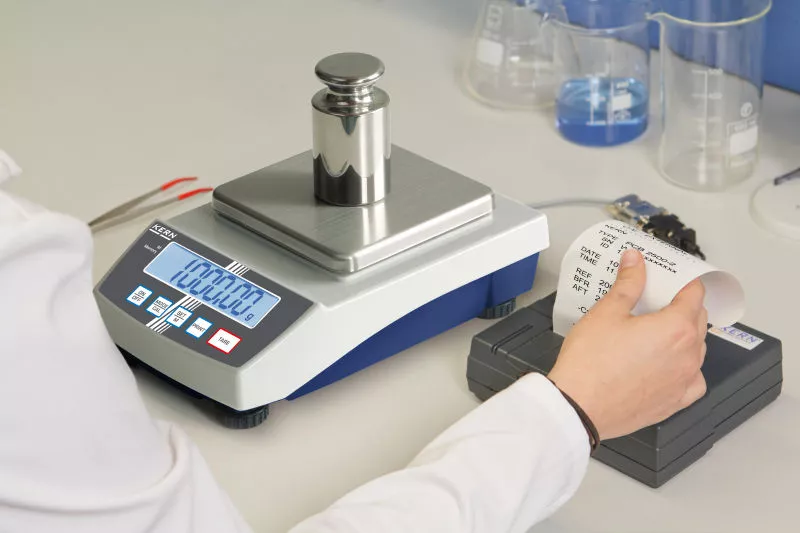
It is important that your scale weighs completely accurately, and therefore it is sometimes necessary to calibrate it to ensure it is fully updated. When a scale is calibrated, it means that its results are precise, which is essential to avoid uncertainty and errors in weighing.
Ensure accurate weighing with internal and external calibration
It is important that your scale measures completely accurately, and sometimes it is necessary to calibrate it to ensure it is fully up to date. When a scale is calibrated, it means that its results are precise, which is essential to avoid uncertainty and errors in weighing.
The importance of calibration and how often it should be done can vary. For scales with high resolution, calibration is especially important to ensure that they measure correctly. Likewise, it depends on the context in which you use the scale.
There are two different types of scale calibration: internal calibration and external calibration. These two calibration methods suit different needs, and you can choose the one that best fits your budget and requirements.
Different calibration methods ensure high efficiency
With internal calibration, the scale’s internal mechanism calibrates itself. You perform the calibration via the scale’s display. Scales with the ability to perform internal calibration are more expensive, but they offer a quick and easy way to ensure that your scale is calibrated and provides accurate, reliable measurements.
Scales with internal calibration are especially useful in busy environments where you need a calibration that can be done quickly and correctly. For example, internal calibration can be an advantage in laboratories, where you rely heavily on results you can trust.
The other option is external calibration. When performing external calibration, you need a calibration weight that matches the scale. This allows you to check whether the indicated weight is correct. External calibration requires calibration weights, which come in various sizes, and some can also be purchased with a calibration certificate, ensuring that the weights comply with applicable standards. External calibration takes more time to perform and requires the appropriate calibration weight.
However, choosing a scale with internal calibration saves a lot of time, and internal calibration provides reliable results—even when environmental changes occur that could affect the measurement.
In our wide range of scales, you can easily find your new scale
At True-Precision, we offer a large selection of various scales, catering to both private customers and businesses. In our categories, you can browse and find the scale that perfectly suits your needs.
Our range of scales is divided into different categories. Here you will find, for example, baby scales, counting scales, and parcel scales—in short, a very wide selection of all types of scales.
If you are looking for highly precise and advanced scales, you can explore our analytical scales. These scales are extremely accurate and are therefore at the higher end of the price range. Some scales that are also very sensitive and user-friendly but slightly more affordable are our laboratory scales and bench scales.
Additionally, you can explore our many precision and fine scales, which are available in a more budget-friendly range. On our homepage, you will find a clear overview of all our scale categories—making it easy to find exactly the scale you need, whether for your home or your workplace.
We help you find the right scale
Feel free to contact us for more information about scales, designed to give you better conditions for a healthier everyday life.
We help you find the right scale for your needs.
Related Posts

Sep 4, 2025
True-Precision
What is important for scales for school use?
When you, as an institution, invest in materials and products, it is important that they last for many years. That is why here at True-Precision we have created an overview of the ...

Sep 4, 2025
True-Precision
What can a Premium+ calibration weight do?
A Premium+ calibration weight is KERN’s new service for those who want to maintain the reliability of their weight for a longer period of time. To explain how a Premium+ ...

Sep 3, 2025
True-Precision
How can I best store my calibration weights?
It’s no secret that calibration weights can lose mass over time, but there’s a lot you can do to increase their longevity and help them retain their original weight. The best ...

Sep 3, 2025
True-Precision
Retail Scales – Accurate Weighing of Loose Goods and Products
A retail scale, often called a “store scale,” is a specially designed scale used in retail to weigh goods sold by weight. These scales are most commonly found in supermarkets, ...
Sep 3, 2025
True-Precision
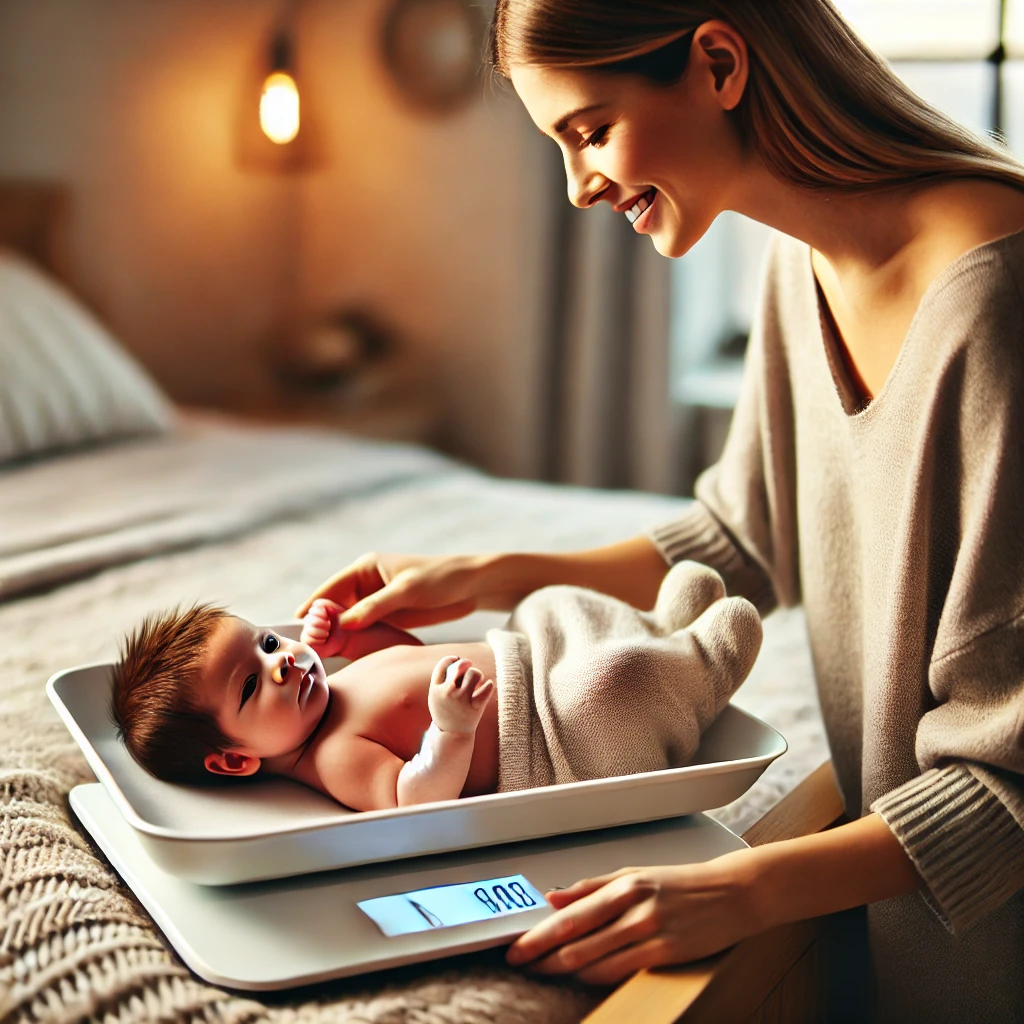
Keep track of your child's development and growth with a baby scale?
When it comes to your baby’s weight, it is extremely important to keep a close eye on whether it is going up or down. In the first months of life, it doesn’t take much for a ...
Sep 2, 2025
True-Precision
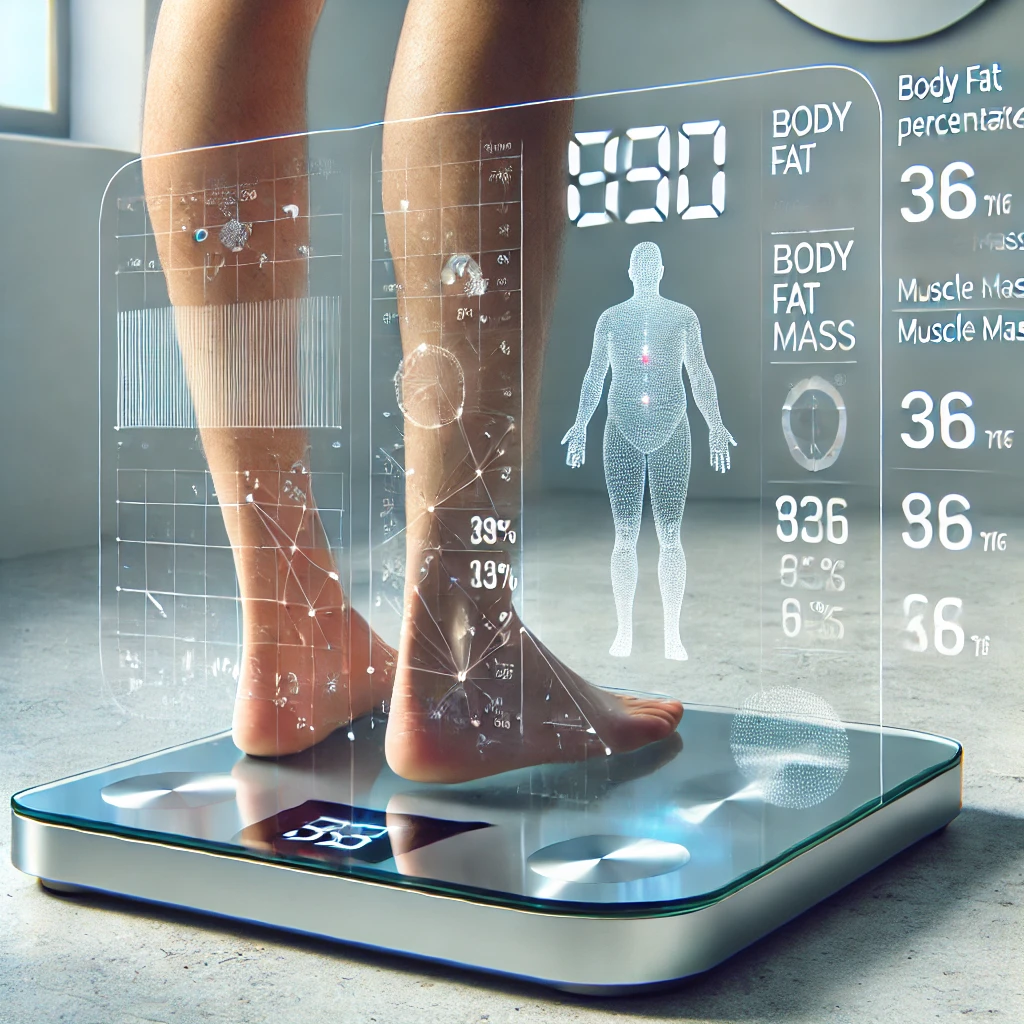
Find the Right Body Analysis Scale for a Healthier Lifestyle
Find the Right Body Analysis Scale for a Healthier LifestylKnowing your body fat percentage is a useful tool to understand your fat levels and whether they may pose health risks. ...