
How can I best store my calibration weights?
- True-Precision
- Sep 3, 2025

It’s no secret that calibration weights can lose mass over time, but there’s a lot you can do to increase their longevity and help them retain their original weight. The best way to care for your calibration weights is to follow these guidelines:
-
Proper storage: Keep them in a padded box or holder designed for this purpose. Even tiny dust particles can affect the weight, especially in the case of milligram weights or other highly sensitive weights.
-
Handling carefully: For the same reason, always handle your weights with gloves or tweezers to prevent oils and dirt from your fingers from contaminating the weight. Remember that your fingers naturally leave oils, even after washing. If you use gloves, make sure the material doesn’t leave lint or dirt on the weights. Any dust or debris on the weight can be removed with a suitable brush. We offer a selection of gloves, tweezers, and cleaning brushes for this purpose.
-
Temperature consideration: Ensure that the scale and the weights are at the same temperature. The temperature of a weight can matter more than you think, and if there’s a large difference between the weight and the scale, it can affect your calibration.
-
Certification: It may also be necessary to choose certified calibration weights or send your weights for certification. Manufacturers like KERN and ADAM offer certificates for their calibration weights, which can be purchased with each order.
-
Correct weight class: Make sure you purchase the correct class of weights for your application.
Taking the time to properly calibrate your weights is wasted if the calibration is unreliable. Following these guidelines will help ensure accurate results. How much dust, oils, and dirt affect the weight depends on both the precision class of the weight and its size. It can be difficult to judge when to handle a weight with gloves or tweezers, so it may be a good idea to establish fixed handling procedures to achieve the best results.
Choose your calibration weight carefully
It’s no coincidence that our calibration weights are made from materials such as brass, aluminum, and cast iron. The surface of the weight can have a major impact on its durability and reliability. Imagine a rough or worn surface and then zoom in on the bumps and grooves. Many tiny particles can become trapped there, which can alter the weight. That’s why it’s important for the surface to be smooth and clean—and this is easiest to maintain on a metal weight.
If you have any questions about our range or need advice, you can, as always, contact our customer service.
Related Posts

Sep 4, 2025
True-Precision
What is important for scales for school use?
When you, as an institution, invest in materials and products, it is important that they last for many years. That is why here at True-Precision we have created an overview of the ...
Sep 4, 2025
True-Precision
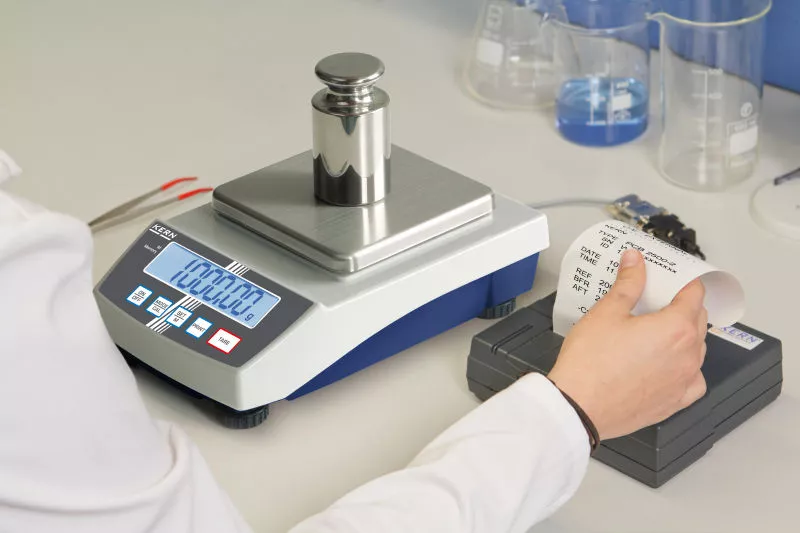
Ensure precise weighing with internal and external calibration
It is important that your scale weighs completely accurately, and therefore it is sometimes necessary to calibrate it to ensure it is fully updated. When a scale is calibrated, it ...

Sep 4, 2025
True-Precision
What can a Premium+ calibration weight do?
A Premium+ calibration weight is KERN’s new service for those who want to maintain the reliability of their weight for a longer period of time. To explain how a Premium+ ...

Sep 3, 2025
True-Precision
Retail Scales – Accurate Weighing of Loose Goods and Products
A retail scale, often called a “store scale,” is a specially designed scale used in retail to weigh goods sold by weight. These scales are most commonly found in supermarkets, ...
Sep 3, 2025
True-Precision
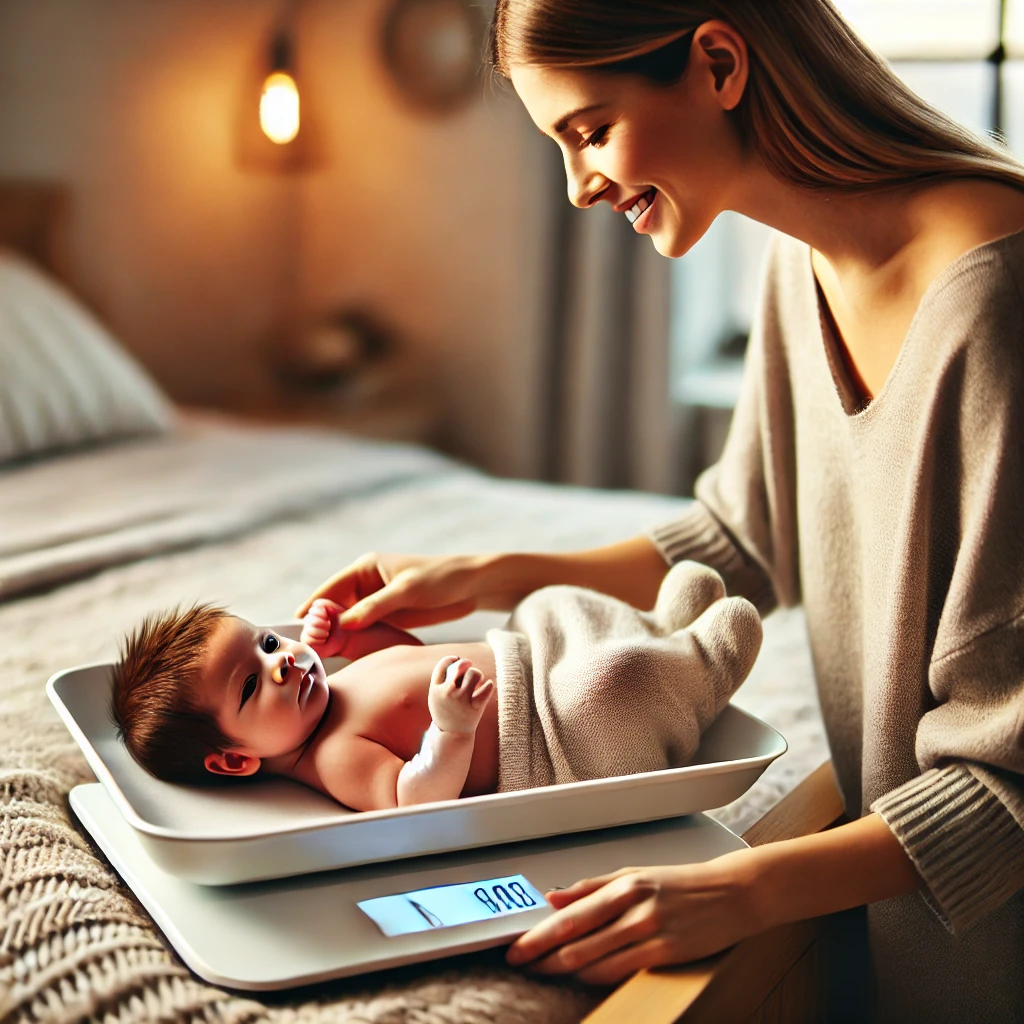
Keep track of your child's development and growth with a baby scale?
When it comes to your baby’s weight, it is extremely important to keep a close eye on whether it is going up or down. In the first months of life, it doesn’t take much for a ...
Sep 2, 2025
True-Precision
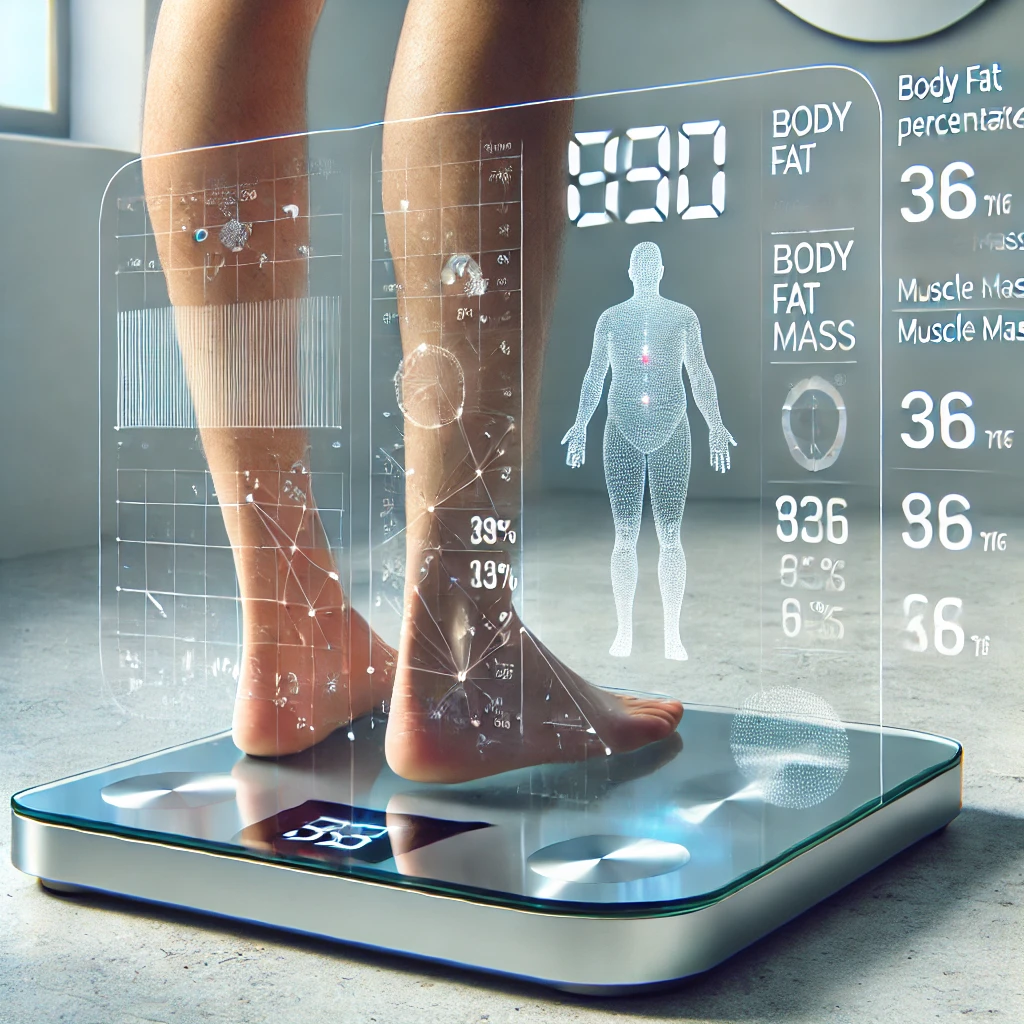
Find the Right Body Analysis Scale for a Healthier Lifestyle
Find the Right Body Analysis Scale for a Healthier LifestylKnowing your body fat percentage is a useful tool to understand your fat levels and whether they may pose health risks. ...